
When I bought my first shotgun about five years ago, I had no idea what a shotgun choke was. Upon opening the box, I noticed it came with a small metal tool inside. I had no idea what it was. After a quick search, I learned it was a choke removal tool, and that was my first real introduction to shotgun chokes.
If you’re new to shotguns, you’re not alone. Chokes sound technical, but the idea behind them is actually very simple.
So, What Is a Shotgun Choke?
A shotgun choke is a small device, usually a removable tube, installed at the end of a shotgun barrel. Its job is to control how wide or tight the shot pattern spreads after you pull the trigger.
That’s it.
It doesn’t change power.
Doesn’t change velocity.
It only controls spread.
The Garden Hose Explanation (Easiest Way to Understand It)
The best way to understand a shotgun choke is to think about a garden hose.
- Turn the nozzle wide open → water sprays everywhere
- Tighten the nozzle → water stays in a tighter stream for longer
A shotgun choke works the same way:
- Open choke → pellets spread fast and wide
- Tight choke → pellets stay together longer before spreading
Once I understood that, chokes stopped feeling complicated.
Why Shotgun Chokes Exist
Different shooting situations need different patterns.
I mostly shoot:
- Upland birds
- Clay targets
Those two alone already require different pattern sizes depending on distance. A choke lets one shotgun adapt to multiple uses instead of being locked into one spread.
Common Types of Shotgun Chokes (Plain English)
Here’s a simple breakdown without the fluff:
| Choke | What It Does | Common Use |
| Cylinder | No constriction, wide spread | Home defense, very close shots |
| Improved Cylinder (IC) | Slight constriction | Close upland, skeet |
| Modified | Medium constriction | Upland, clays, all-around use |
| Full | Tight constriction | Longer shots, turkey |
I personally use a Modified choke for almost everything. My Mossberg 500, Maverick 88 Field, and Stoeger M3020 all see plenty of use with Modified because it’s a great middle ground.
What About Shotguns With No Choke?
Some shotguns don’t use removable chokes at all.
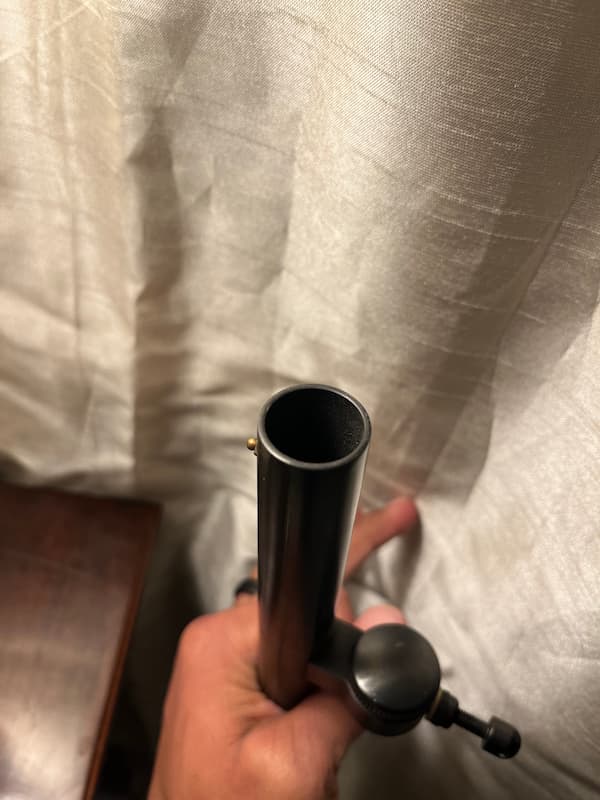
For example, my Maverick 88 Security model has a fixed open cylinder bore. That means:
- No choke tubes
- No constriction
- Very wide pattern
That’s intentional and works well for close-range use, especially home defense.
A Little Technical Detail (Without Getting Nerdy)
Inside the choke, the barrel slightly narrows. This narrowing is called constriction.
As the shot travels through it:
- Pellets are gently squeezed together
- They exit the barrel more organized
- The pattern stays tighter for a longer distance
More constriction = tighter pattern
Less constriction = wider pattern
You don’t need to memorize measurements to use chokes effectively, just understand what tighter vs wider means.
Chokes for Different Uses
Upland Hunting
Birds flush at different distances depending on species and season.
- Close flushes → IC or Modified
- Longer shots → Modified or Full
Modified has always worked well for me as a do-everything option.
Clay Shooting
Different games favor different patterns:
- Skeet → IC
- Trap → Modified
- Sporting clays → varies, but Modified works great for beginners
Home Defense
Wider patterns are preferred.
- Cylinder or open bore
- No need for tight constriction indoors
What Choke Should a Beginner Use?
If you’re just starting out:
➡️ Use a Modified choke
It’s forgiving, versatile, and works for:
- Upland hunting
- Clay shooting
- General practice
That’s why I’ve stuck with it across multiple shotguns.
Final Thoughts
A shotgun choke isn’t mysterious or complicated. It’s simply a way to control how your shot spreads, just like adjusting the nozzle on a garden hose.
Once you understand that, shotguns make a lot more sense, and you’ll shoot with more confidence.