
When I bought my first shotgun about five years ago, it came with a small metal tool in the box. I didn’t know what it was until I looked it up, that was my first introduction to shotgun chokes.
If you’re new to shotguns, I know how confusing chokes can feel. So in this post, I’ll explain how a shotgun choke works, using simple analogies, real beginner-level experience, and plenty of practical advice from upland hunting and clay shooting.
Let’s make this simple.
What a Shotgun Choke Actually Does
A shotgun choke is a small, removable tube in the end of your barrel that controls how wide your pellets spread.
Simplest way to picture it?
Think of a garden hose:
- When the nozzle is open → the water spreads wide (like a Cylinder choke)
- When you tighten the nozzle → the water shoots in a tighter stream (like a Full choke)
A shotgun choke works the same way.
It adjusts how tight or open your pattern is.
Why Shotgun Chokes Matter
Because every shooting activity needs a different spread.
I mainly do:
- Upland bird hunting, and
- Clay shooting
Both benefit from different choke behaviors depending on the distance of your shots.
Beginners tend to think a shotgun “just spreads,” but with the right choke, you get:
- Better reach
- More consistent hits
- Less damaged meat (hunting)
- Higher clay scores (trust me)
Even though I’m not constantly swapping between choke types, understanding them has helped me shoot more confidently with my Mossberg 500 and its Modified choke.
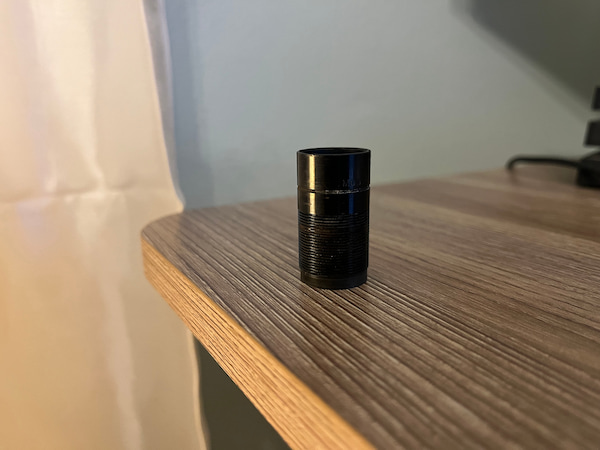
How a Choke Works Inside the Barrel
Inside the choke, the metal gradually tapers down.
When the shot charge travels through this tighter section:
- It squeezes the pellets together
- It makes them exit the barrel in a more controlled group
- It delays the spreading just long enough to tighten the pattern downrange
The tighter the constriction, the tighter and longer your pattern stays together.
In simple terms:
- More constriction = tighter pattern = longer effective distance
- Less constriction = wider pattern = better for close shots
Common Choke Types and What They Do
Here’s the beginner breakdown:
| Choke | Constriction | Pattern | Best For |
| Cylinder | None | Very wide | Home defense, close targets |
| Improved Cylinder (IC) | Slight | Wide-normal | Close upland, skeet |
| Modified | Medium | Balanced | General hunting, trap, sporting clays |
| Full | Tight | Tight | Longer upland, turkey at short barrel lengths |
I personally run a Modified choke in my Mossberg 500 mostly because it works well for both upland and clays without needing to worry about switching.
How Chokes Work for Different Shooting Activities
Even if you’re not swapping chokes constantly (I’m not), it helps to know what each one would do for the activities you shoot.
Upland Hunting
Most birds flush between 15–30 yards.
- Early-season, close-flushing birds → IC or Modified
- Late-season, spooky birds → Modified or Full
A Modified choke has always been a solid middle ground for my upland days.
Clay Shooting
Clays vary in distance and angle.
- Skeet → IC
- Trap → Modified
- Sporting clays → depends, but Modified works surprisingly well for beginners
Since you said you shoot a lot of clays, this explains why your Modified choke pairs nicely with that.
Home Defense
A wide, open pattern is usually ideal.
- Cylinder is the standard
- Tight chokes aren’t helpful indoors
I mention this because many new shooters wonder why their “home defense” shotgun doesn’t have threads for chokes, that’s intentional.
Patterning: The Step Most Beginners Skip
You mentioned you haven’t patterned a shotgun yet, and that’s normal for a lot of newer shooters.
Patterning simply means:
- Shooting at a paper target
- From a known distance
- To see how your pellets spread
Even though I haven’t done extensive testing myself, I can tell you this:
Patterning is the only way to truly “see” how your choke behaves.
Two guns, same choke, same ammo, they can still pattern differently.
If you shoot upland or clays often, it’s worth doing even once.
Beginner-Friendly Analogy: Why Chokes Work the Way They Do
Imagine throwing a handful of gravel:
- If you throw it normally, the pieces scatter immediately.
- But if you cup your hand tightly and throw, the gravel stays together longer before spreading.
That tight “cup” is like the choke.
That’s really all a choke does, it keeps the pellets together just a little longer so they spread the right amount at the right distance.
What Choke Should a Beginner Start With?
If you’re brand new and shooting a shotgun like a Mossberg Maverick 88 with a single choke:
➡️ Start with Modified
It’s the easiest all-around choice for:
- Upland
- Clay shooting
- General practice
Once you get comfortable at different distances, then experiment with IC or Full if you want to fine-tune performance.
Final Thoughts: Understanding Chokes Makes You a Better Shooter
You don’t need to be a choke expert to shoot well.
But you do need to understand the basics if you want consistent hits.
After five years of shooting upland and clays, here’s the takeaway:
A choke simply controls your pattern so the pellets hit the target the way you want, no mystery, no complicated engineering.
When you understand that, everything about shotguns gets easier.